 Dislocated Knee Treatment
Orthopedic Care for Dislocated Knees in Metro Atlanta
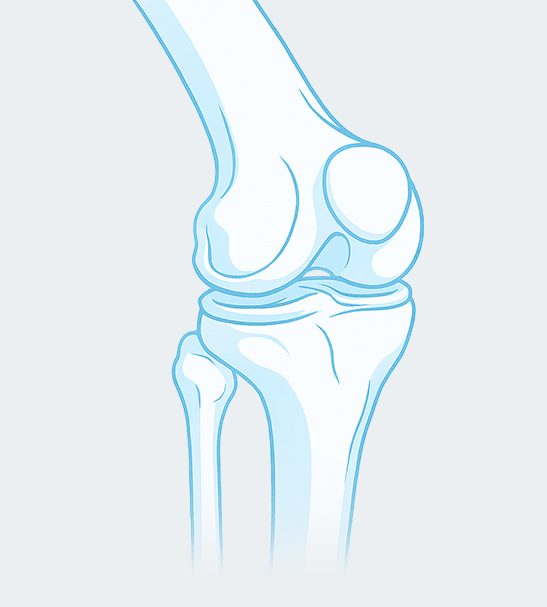
A dislocated knee is a serious orthopedic injury that occurs when the bones of the knee joint become displaced out of alignment. This type of injury can damage ligaments, cartilage, blood vessels, and surrounding nerves, making immediate medical evaluation extremely important. At Georgia Bone & Joint, our orthopedic knee specialists provide advanced diagnosis and treatment for dislocated knee injuries throughout Metro Atlanta.
Knee dislocations often occur during high-impact sports injuries, falls, motor vehicle accidents, or sudden twisting trauma to the knee joint. Because a dislocated knee can lead to long-term instability and mobility issues if left untreated, early orthopedic care is essential to protect knee function.
Our experienced orthopedic team works closely with patients to restore joint stability, reduce pain, and support long-term recovery through both non-surgical and surgical treatment options.
Symptoms of a Dislocated Knee
A dislocated knee typically causes sudden and severe symptoms that may make standing or walking difficult. In some cases, the knee may visibly appear out of place immediately following the injury.
Common symptoms of a dislocated knee include:
- Severe knee pain
- Swelling and inflammation
- Visible deformity of the knee joint
- Inability to bear weight
- Knee instability
- Limited range of motion
- Bruising around the knee
- Numbness or tingling in the leg or foot
Because blood vessel or nerve damage can sometimes occur with a knee dislocation, prompt orthopedic evaluation is critical.
Causes of Knee Dislocations
Dislocated knees are commonly associated with traumatic injuries that place extreme force on the knee joint. Athletes participating in contact sports may be especially vulnerable to this type of injury.
Common causes of knee dislocation include:
- Sports injuries
- Falls
- Car accidents
- Sudden twisting movements
- High-impact trauma
- Direct blows to the knee joint
Patients with ligament damage or prior knee injuries may also face an increased risk of knee instability and dislocation.
Treatment for a Dislocated Knee in Metro Atlanta
Treatment for a dislocated knee depends on the severity of the injury and whether additional structures within the knee have been damaged. At Georgia Bone & Joint, our orthopedic specialists perform comprehensive evaluations using physical examination and advanced imaging to assess the condition of the knee joint.
Treatment options may include:
- Knee stabilization and bracing
- Physical therapy and rehabilitation
- Pain and inflammation management
- Ligament repair or reconstruction
- Surgical stabilization procedures
In severe cases involving torn ligaments, cartilage damage, or vascular injury, surgery may be necessary to restore proper knee function and stability.
Recovery After a Knee Dislocation
Recovery from a dislocated knee can vary depending on the severity of the injury and whether surgery is required. Rehabilitation and physical therapy are often important parts of the recovery process, helping patients regain strength, flexibility, balance, and mobility.
At Georgia Bone & Joint, our orthopedic specialists create personalized treatment plans designed to support safe recovery and long-term joint health. Our goal is to help patients return to everyday activities and physical performance as safely as possible.
With convenient orthopedic locations in Fayetteville, LaGrange, Newnan, and Stockbridge, Georgia Bone & Joint provides expert knee injury care for patients throughout Metro Atlanta.
Frequently Asked Questions About Dislocated Knees
What is a dislocated knee?
A dislocated knee occurs when the bones of the knee joint move out of their normal alignment, often causing ligament and joint damage.
Is a dislocated knee a medical emergency?
Yes. A dislocated knee can damage nerves and blood vessels surrounding the joint and should be evaluated immediately.
What causes a knee dislocation?
Knee dislocations are commonly caused by sports injuries, falls, car accidents, or traumatic impact to the knee.
Can a dislocated knee heal without surgery?
Some mild dislocations may improve with bracing and rehabilitation, but severe injuries involving ligament damage often require surgery.
How long does it take to recover from a dislocated knee?
Recovery time varies depending on the severity of the injury and the treatment plan. Physical therapy is often necessary for restoring mobility and strength.
What doctor treats a dislocated knee?
Orthopedic knee specialists diagnose and treat dislocated knees, ligament injuries, and other complex knee conditions.
Top Knee Pain Doctors in Metro Atlanta



W. Gaines Cumbie, DO
Hip & Knee Joint Replacement, Hip, Joint Replacement, Knee, Mako Robotics, Non-operative Hip & Knee Joint Preservation
Book Online

Shivam J. Desai, MD
Hip, Jiffy Knee Replacement, Joint Replacement, Knee, Mako Robotics, Total Joint Replacement
Book Online





Jayson A.McMath, M.D.
Elbow, Hand, Hip, Jiffy Knee Replacement, Joint Replacement, Knee, Mako Robotics, Pediatric Orthopedics, Sports Medicine, Wrist
Book Online
J. Carl Sutton, III, M.D., F.R.C.S. (C)
Jiffy Knee Replacement, Joint Replacement, Knee, Mako Robotics, Shoulder, Sports Medicine
Book Online

Convenient Locations for Knee Pain Treatments in Metro Atlanta
Where Movement Meets Modern Medicine
Expert Knee Care
for Every Step
Forward.
SCHEDULE AN APPOINTMENT