At Georgia Bone & Joint, we are committed to providing advanced diagnostic imaging services that support accurate diagnoses, effective treatment planning, and improved patient outcomes. Our on-site MRI and CT capabilities offer state-of-the-art imaging in a safe, comfortable environment—delivered by highly trained, compassionate technologists.

Magnetic Resonance Imaging (MRI)

Overview

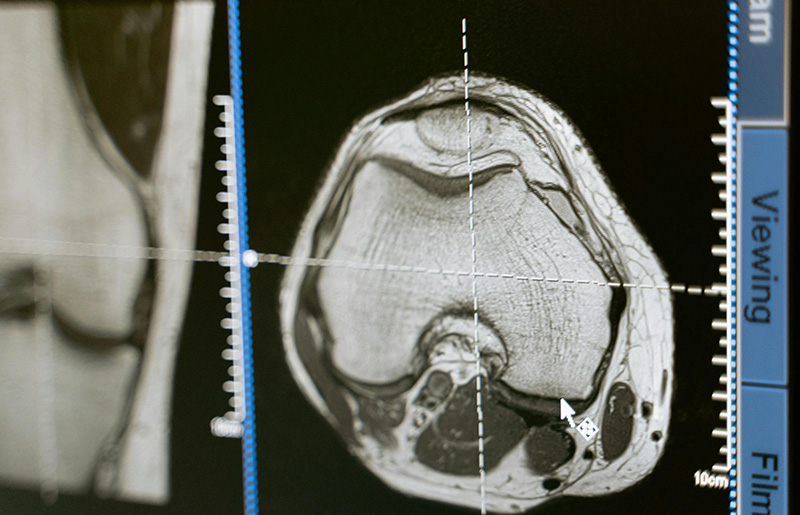
MRI (Magnetic Resonance Imaging) is a noninvasive imaging technique that uses a strong magnetic field and radiofrequency waves to produce detailed images of the inside of your body—without radiation exposure. It is commonly used to evaluate soft tissue injuries, joint and spine conditions, and other musculoskeletal concerns.

Wide-Bore MRI for Greater Comfort

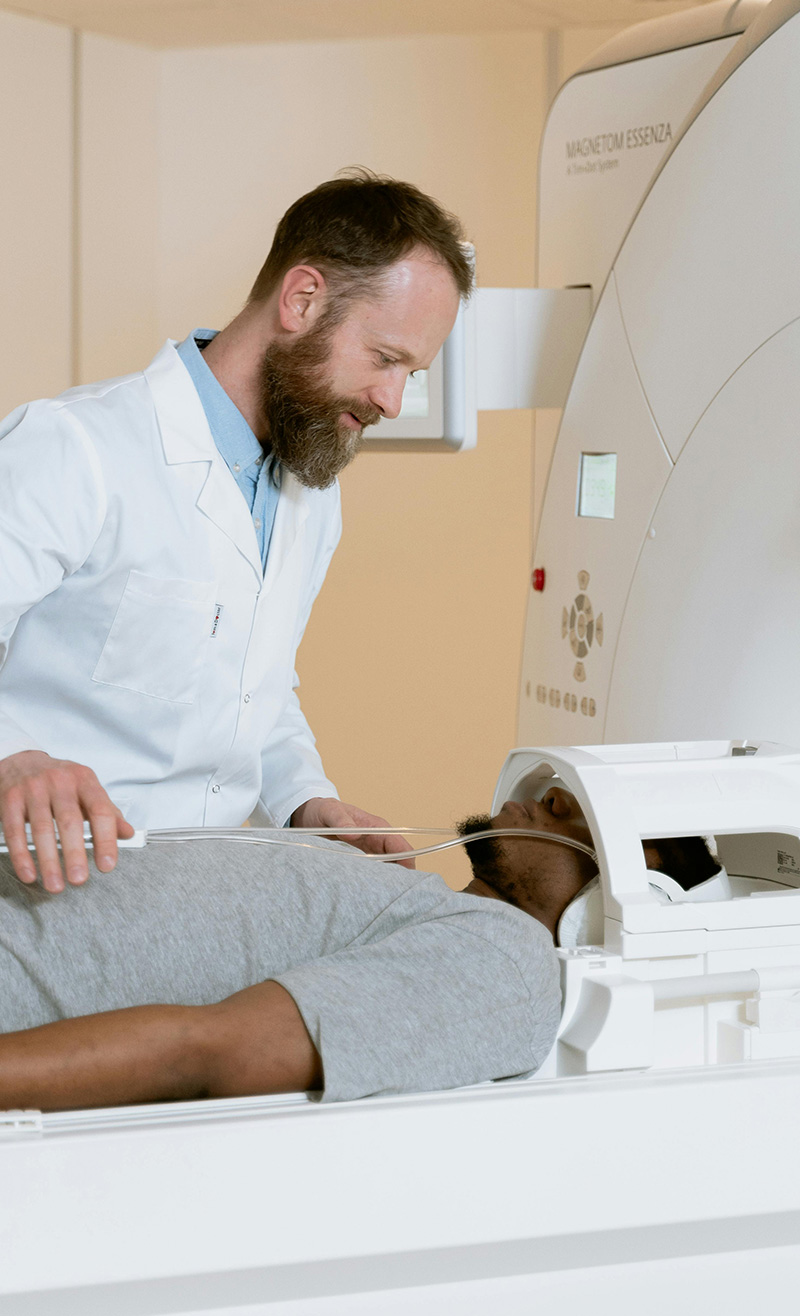
In February 2025, we installed a wide-bore MRI scanner designed for increased patient comfort. This scanner, while not considered “open,” is open on both ends and offers more room, reducing feelings of claustrophobia and accommodating a wider range of body types.

What to Expect

  • Duration: Most scans take about 30 minutes. Some may take up to 45–60 minutes, depending on the area being imaged. For three or more scans, consider scheduling over multiple days.
  • Clothing: You may wear regular clothes; your technologist will advise if scrubs are required.
  • Items to Remove: Jewelry, glasses, hearing aids, wigs, dentures, wallets, credit/debit cards, and other metal objects.
  • Medications: Continue taking all prescribed medications. Pain medication may be taken beforehand for comfort.
  • During the Exam: You’ll lie on a table that moves into the scanner. You’ll hear loud knocking sounds; earplugs and music headphones will be provided.
  • Claustrophobia: If you experience anxiety in enclosed spaces, talk to your doctor. Medication can be prescribed, but you must arrange transportation if medicated.

Computed Tomography (CT)

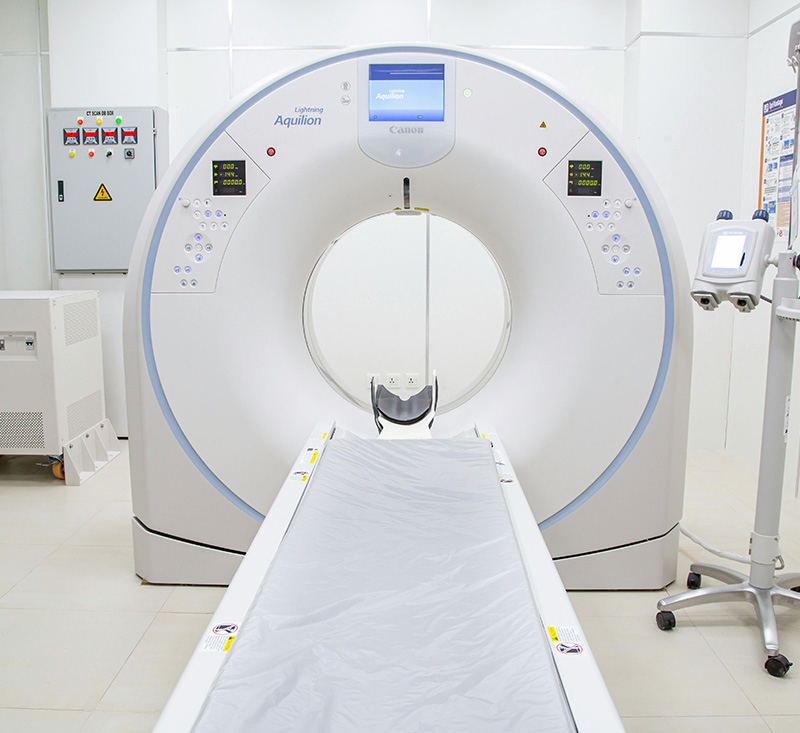
CT (Computed Tomography) scans use X-rays and computer technology to create detailed, cross-sectional images of the body. CT is especially useful for diagnosing bone fractures, internal injuries, soft tissue conditions, and plays a critical role in pre-surgical planning.

Surgical Planning with CT

Our orthopedic specialists rely on CT scans for precise surgical planning. The ability to view bones and internal structures in fine detail allows for more accurate procedures and improved outcomes.

Important: Pregnancy Policy

We do not perform CT scans on pregnant patients due to the use of ionizing radiation. If you are pregnant or think you might be, please inform your provider before scheduling.

What to Expect

  • Speed: Most CT scans take just a few minutes.
  • Clothing: A gown may be provided; remove all metal items (jewelry, glasses, dentures, etc.).
  • Contrast: Some scans require contrast dye (oral or IV) for clearer images. Inform us of any allergies, kidney issues, or prior reactions.
  • Fasting: If contrast is needed, you may need to refrain from eating or drinking for several hours.
  • Medications: Continue taking your regular medications unless instructed otherwise.
  • During the Exam: You’ll lie on a motorized table that passes through a short, open scanner. You may need to briefly hold your breath.
  • Radiation Safety: We follow strict safety guidelines to ensure the lowest effective dose of radiation.

For questions about MRI or CT services, or to speak with our imaging team, please call:
???? 770-254-7841
Georgia Bone & Joint Imaging Department

CT Services at Georgia Bone & Joint

CT Services at Georgia Bone & Joint

At Georgia Bone & Joint, we offer advanced Computed Tomography (CT) scans as part of our comprehensive diagnostic and pre-surgical imaging services. A CT scan is a fast, noninvasive procedure that uses X-rays and computer technology to create detailed cross-sectional images of the body. These high-resolution images help our physicians accurately diagnose medical conditions and plan surgical procedures with greater precision.

What Is a CT Scan?

A CT scan—also known as a CAT scan—combines multiple X-ray images taken from different angles and uses computer processing to generate 3D images of internal structures. CT imaging is especially useful for evaluating complex fractures, spinal and joint conditions, internal injuries, and soft tissue abnormalities.

In addition to its diagnostic role, CT scanning is an essential tool in surgical planning, providing surgeons with detailed anatomical views to enhance accuracy, minimize invasiveness, and improve patient outcomes.

Important Safety Note: Pregnancy

We do not perform CT scans on patients who are pregnant due to the use of ionizing radiation. If you are pregnant or think you may be pregnant, please notify your healthcare provider and our imaging team before your appointment. We will work with your physician to explore alternative, safer imaging options such as ultrasound or MRI, when appropriate.

What to Expect and How to Prepare

To ensure a smooth and safe experience, please review the following preparation guidelines:

  • Fast and Efficient: Most CT scans are completed in just a few minutes. Our advanced imaging equipment provides fast, accurate results with minimal discomfort.
  • Clothing and Personal Items: Depending on the scan, you may be asked to change into a gown. Remove all metal objects—such as jewelry, eyeglasses, dentures, hearing aids, and hair accessories—prior to the exam.
  • Use of Contrast: Some CT exams require a contrast dye, given orally or via IV, to enhance image clarity. If contrast is needed, you’ll receive specific instructions beforehand. Please inform us of any allergies, kidney problems, or past reactions to contrast materials.
  • Eating and Drinking: For non-contrast CT scans, you may eat and drink as usual. If contrast is required, you may need to fast for a few hours before the scan. Full instructions will be provided when your exam is scheduled.
  • Medications: Continue taking your medications as prescribed, unless instructed otherwise.
  • During the Exam: You’ll lie on a motorized table that passes through the CT scanner, which resembles a short, open tunnel. You may be asked to hold your breath briefly for clearer images. The procedure is painless, and our technologists will be in constant communication throughout your scan.
  • Radiation Exposure: CT scans use a low dose of ionizing radiation. We follow strict safety protocols to ensure the lowest possible dose is used while maintaining image quality.

Designed With Your Comfort in Mind

Our CT scanner features a wide, open design to help reduce anxiety and accommodate a broad range of patients comfortably. Whether you’re undergoing a diagnostic evaluation or preparing for surgery, our skilled imaging team is here to support you with compassionate, high-quality care.

For questions about your CT exam or to speak with our imaging staff, please call the Georgia Bone & Joint Imaging Department at 770-254-7841. Your safety and comfort are always our top priority.

Enhanced Comfort With Our New Wide-Bore MRI Scanner

In February 2025, we upgraded our imaging capabilities with the installation of a wide-bore MRI machine, designed with patient comfort in mind. While this scanner is not classified as an “open MRI,” it features a wider opening and is open at both ends—helping to reduce feelings of claustrophobia and allowing for a more comfortable experience, especially for larger patients or those who feel anxious in confined spaces.

Preparing for Your MRI: What to Expect

To ensure a smooth and safe experience, please review the following guidelines prior to your MRI appointment:

  • Medical Implants or Devices: Inform the MRI scheduling team if you have a pacemaker, metal fragments in your body or eyes, aneurysm clips, or any implanted medical devices. It’s important to disclose any item in or on your body that was not present at birth, even if you’ve had previous MRI scans.
  • Scan Duration: Most MRI scans take approximately 30 minutes. Certain exams may last up to 45 minutes to 1 hour, depending on the area being imaged. If you are scheduled for three or more scans, we recommend spreading them out over multiple appointments for your convenience.
  • Clothing and Personal Items: You may arrive in regular clothing. Your technologist will determine if a change into provided scrubs is necessary based on safety protocols. All metal or electronic items—including jewelry, hearing aids, glasses, dentures, hairpieces, wallets, coins, and credit/debit cards—must be removed before the exam.
  • Medications: Continue to take your prescribed medications as directed. If you are on pain medication, taking it beforehand is encouraged to help you remain comfortable and still during the scan.
  • During the Exam: You will be positioned on the MRI table either head-first or feet-first depending on the type of scan. The table will move to center the body part being imaged within the magnetic field. You will hear a series of loud knocking or tapping sounds during the scan. For your comfort, we provide earplugs and headphones with music.
  • Claustrophobia: If you have a history of claustrophobia, please consult your physician prior to the exam. Sedation may be prescribed to help you relax. If medication is taken, you must arrange for someone to drive you to and from your appointment. Our team will do everything possible to ensure you remain calm and comfortable.

If you have any questions or would like to discuss your specific needs before your MRI appointment, please contact our MRI department directly at 770-254-7841. We’re here to help ensure your experience is as smooth and stress-free as possible.

Where Movement Meets Modern Medicine

Expert Care
for Every Step
Forward.

SCHEDULE AN APPOINTMENT