Hip Osteoporosis Treatment with Georgia Bone & Joint
 Hip Osteoporosis
Hip osteoporosis is a condition that causes the bones in and around the hip joint to become less dense, weaker, and more susceptible to fractures. Osteoporosis develops gradually and may not cause noticeable symptoms until a patient experiences a fracture. Because the hip plays a critical role in mobility and weight-bearing, osteoporosis affecting this area can significantly increase the risk of falls, hip fractures, and loss of independence.
Healthy bones are essential for maintaining an active lifestyle and reducing the risk of hip fractures. At Georgia Bone & Joint, our orthopedic specialists evaluate bone health, diagnose osteoporosis, and create individualized treatment plans to help strengthen bones, reduce fracture risk, and keep you moving safely and confidently.
What Is Hip Osteoporosis?
Osteoporosis is a metabolic bone disease characterized by bones becoming thinner and more porous; they lose strength and are more likely to fracture during everyday activities or minor falls.
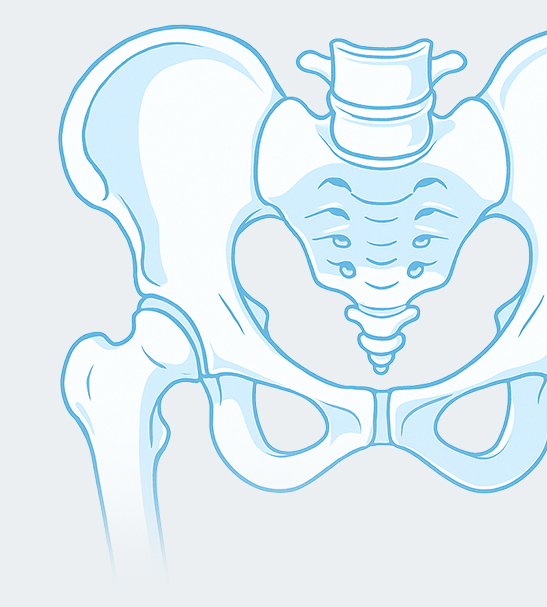
While osteoporosis can affect the entire skeleton, fractures of the hip are among the most serious complications. A weakened hip may fracture at the femoral neck or other portions of the proximal femur, often requiring surgery and an extended period of rehabilitation.
Several factors increase the risk of developing osteoporosis, including aging, menopause, family history, low calcium or vitamin D intake, smoking, excessive alcohol consumption, certain medications, and medical conditions that affect bone metabolism.
Signs and Symptoms of Hip Osteoporosis
Osteoporosis often develops without noticeable symptoms, which is why many people don’t realize they have it until they experience a broken bone. In some cases, warning signs may include a gradual loss of height, a stooped posture, or a fracture that occurs after a simple fall or minor injury.
After a low-impact fall, some people may also experience lingering hip or groin pain, difficulty walking, or reduced mobility. Since osteoporosis can weaken bones over time without causing pain, routine bone density screenings are an important way to identify bone loss early and begin treatment before a fracture occurs.
Diagnosing and Treating Hip Osteoporosis
At Georgia Bone & Joint, diagnosing osteoporosis begins with a thorough medical history, physical examination, and diagnostic testing. Bone mineral density testing (DEXA scanning) is commonly used to evaluate bone strength and determine the severity of bone loss. Additional imaging studies may be recommended if a fracture is suspected.
Treatment focuses on improving bone density, reducing fracture risk, and maintaining mobility. Depending on your individual needs, your orthopedic specialist may recommend:
- Prescription medications to strengthen bone
- Calcium and vitamin D supplementation
- Weight-bearing and strengthening exercises
- Fall prevention strategies
- Lifestyle modifications to improve bone health
- Treatment of hip fractures if one has occurred
For patients who sustain an osteoporotic hip fracture, surgical intervention followed by rehabilitation may be necessary to restore function and maximize recovery.
Comprehensive Bone Health Care at Georgia Bone & Joint
Georgia Bone & Joint is committed to helping patients maintain healthy bones and active lifestyles. Our orthopedic physicians work closely with patients to diagnose osteoporosis early, identify fracture risk, and develop individualized treatment plans focused on preserving mobility and long-term musculoskeletal health.
If you’ve been diagnosed with osteoporosis or are concerned about your risk for hip fractures, our experienced orthopedic team is here to help.
Frequently Asked Questions About Hip Osteoporosis
What is the difference between osteoporosis and a hip fracture?
Osteoporosis is a disease that weakens bones over time, while a hip fracture is an injury that can occur because weakened bones are more susceptible to breaking. Treating osteoporosis helps reduce the risk of future fractures.
Who is at the highest risk for hip osteoporosis?
Older adults, particularly postmenopausal women, are at the greatest risk. Other risk factors include a family history of osteoporosis, smoking, low body weight, inadequate calcium or vitamin D intake, long-term corticosteroid use, and certain medical conditions affecting bone health.
How is osteoporosis diagnosed?
Osteoporosis is most commonly diagnosed with a dual-energy X-ray absorptiometry (DEXA) scan, which measures bone mineral density. Your physician may also recommend additional testing based on your medical history and fracture risk.
Can hip osteoporosis be treated without surgery?
Yes. Most patients with osteoporosis are treated without surgery through medications, nutritional support, exercise, and fall prevention measures. Surgery is generally only necessary if a hip fracture or other significant fracture has already occurred.
Can osteoporosis be prevented?
While aging cannot be prevented, healthy lifestyle habits can help reduce your risk of osteoporosis. Eating a calcium-rich diet, maintaining adequate vitamin D levels, participating in regular weight-bearing exercise, avoiding tobacco, limiting alcohol intake, and receiving recommended bone density screenings all contribute to better bone health.
Hip Osteoporosis Doctor Treating Atlanta Patients
Now seeing patients in LaGrange, Stockbridge, Newnan, and Fayetteville, GA

J. Carl Sutton, III, M.D., F.R.C.S. (C)
Arthroscopy Physician, Jiffy Knee Replacement, Joint Replacement, Knee, Mako Robotics, Shoulder, Sports Medicine