Hip Dislocation Treatment in Metro Atlanta
 Hip Dislocation
A hip dislocation is a serious orthopedic injury that occurs when the ball of the femur (thighbone) is forced out of the hip socket (acetabulum). Because the hip is one of the body’s strongest and most stable joints, a dislocation typically results from significant trauma, such as a motor vehicle accident, a fall, or a sports-related injury. Prompt medical evaluation and treatment are essential to reduce the risk of complications, preserve joint function, and restore mobility.
At Georgia Bone & Joint, our orthopedic specialists provide comprehensive care for hip dislocations and other traumatic hip injuries. From emergency evaluation through rehabilitation, our team develops personalized treatment plans designed to help patients recover safely and return to their normal activities.
What Is a Hip Dislocation?
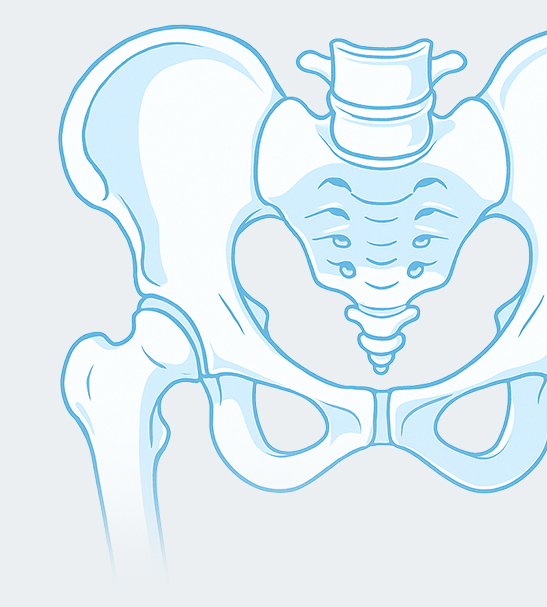
The hip is a ball-and-socket joint that provides both stability and mobility. A hip dislocation occurs when the femoral head is displaced from the acetabulum. Most hip dislocations are posterior dislocations, meaning the femoral head is pushed backward out of the socket. Less commonly, anterior hip dislocations occur when the femoral head moves forward.
A dislocated hip often occurs alongside other injuries involving the pelvis, cartilage, ligaments, muscles, or surrounding nerves. Because of the force required to cause this injury, a thorough orthopedic evaluation is necessary to identify associated damage and determine the most appropriate course of treatment.
Signs and Symptoms of a Hip Dislocation
A hip dislocation usually causes immediate and severe symptoms, including:
- Sudden, intense hip or groin pain
- Inability to stand or bear weight
- Difficulty moving the affected leg
- A visibly shortened or rotated leg
- Swelling and tenderness around the hip
- Numbness or tingling if nearby nerves are affected
If you suspect a hip dislocation, seek immediate medical attention. Attempting to move or reposition the joint without medical supervision can increase the risk of additional injury.
Diagnosing and Treating Hip Dislocations
At Georgia Bone & Joint, diagnosing a hip dislocation begins with a comprehensive physical examination and diagnostic imaging, including X-rays and, when appropriate, advanced imaging studies to evaluate the joint and identify associated fractures or soft tissue injuries.
Treatment for a hip dislocation depends on the extent of the injury. In many cases, the hip can be carefully repositioned without surgery while you’re under sedation or anesthesia. If the injury also involves broken bones or damage to the joint, surgery may be recommended to restore stability and help the hip heal properly.
After treatment, rehabilitation is an important part of recovery. Physical therapy can help improve strength, flexibility, and range of motion so you can safely return to your daily activities. Your recovery time will depend on the severity of your injury, the treatment you receive, and your overall health.
Expert Orthopedic Care for Hip Injuries
Georgia Bone & Joint provides comprehensive orthopedic care for patients experiencing hip dislocations, fractures, arthritis, sports injuries, and other conditions affecting the hip joint. Our experienced physicians combine advanced diagnostic technology with individualized treatment plans to help relieve pain, restore function, and support long-term joint health.
If you’ve experienced a traumatic hip injury or are experiencing severe hip pain after a fall or accident, our orthopedic specialists are here to provide prompt evaluation and expert care.
Georgia Bone & Joint Doctors Treat all Hip Conditions
- Complex revision hip replacement
- Hip Surgery
- Hip arthroscopy
- Anterior Hip Replacement
- Minimally Invasive Hip Surgery
- Total Hip Replacement Surgery
- Femoroacetabular Impingement (FAI)
- Snapping Hip Syndrome
- Revision Hip Surgery
- Hip Fracture
- Avascular Necrosis of the Hip
Frequently Asked Questions About Hip Dislocations
Is a hip dislocation considered a medical emergency?
Yes. A hip dislocation requires immediate medical evaluation because prolonged displacement of the joint can damage the blood supply to the femoral head, as well as nearby nerves and surrounding tissues. Early treatment improves the likelihood of a successful recovery.
What causes a hip dislocation?
Most hip dislocations result from high-impact trauma, including motor vehicle collisions, falls from height, and contact sports injuries. Patients who have previously undergone hip replacement surgery may also experience a prosthetic hip dislocation under certain circumstances.
Will I need surgery for a hip dislocation?
Not every hip dislocation requires surgery. Many patients can be successfully treated with a closed reduction if there are no associated fractures or significant soft tissue injuries. Surgery may be recommended when the joint remains unstable or additional injuries are identified.
How long does it take to recover from a hip dislocation?
Recovery varies based on the severity of the injury and the treatment performed. Many patients participate in physical therapy for several weeks or months to regain strength, mobility, and function before returning to normal activities.
Can a hip dislocation happen again?
A previous hip dislocation may increase the risk of future instability, particularly if ligaments or cartilage were damaged during the initial injury. Following your rehabilitation program and your physician’s recommendations can help reduce the risk of recurrent dislocation.
Hip Dislocation Doctor Serving Metro Atlanta Patients
Now seeing patients in LaGrange, Stockbridge, Newnan, and Fayetteville, GA

J. Carl Sutton, III, M.D., F.R.C.S. (C)
Arthroscopy Physician, Jiffy Knee Replacement, Joint Replacement, Knee, Mako Robotics, Shoulder, Sports Medicine